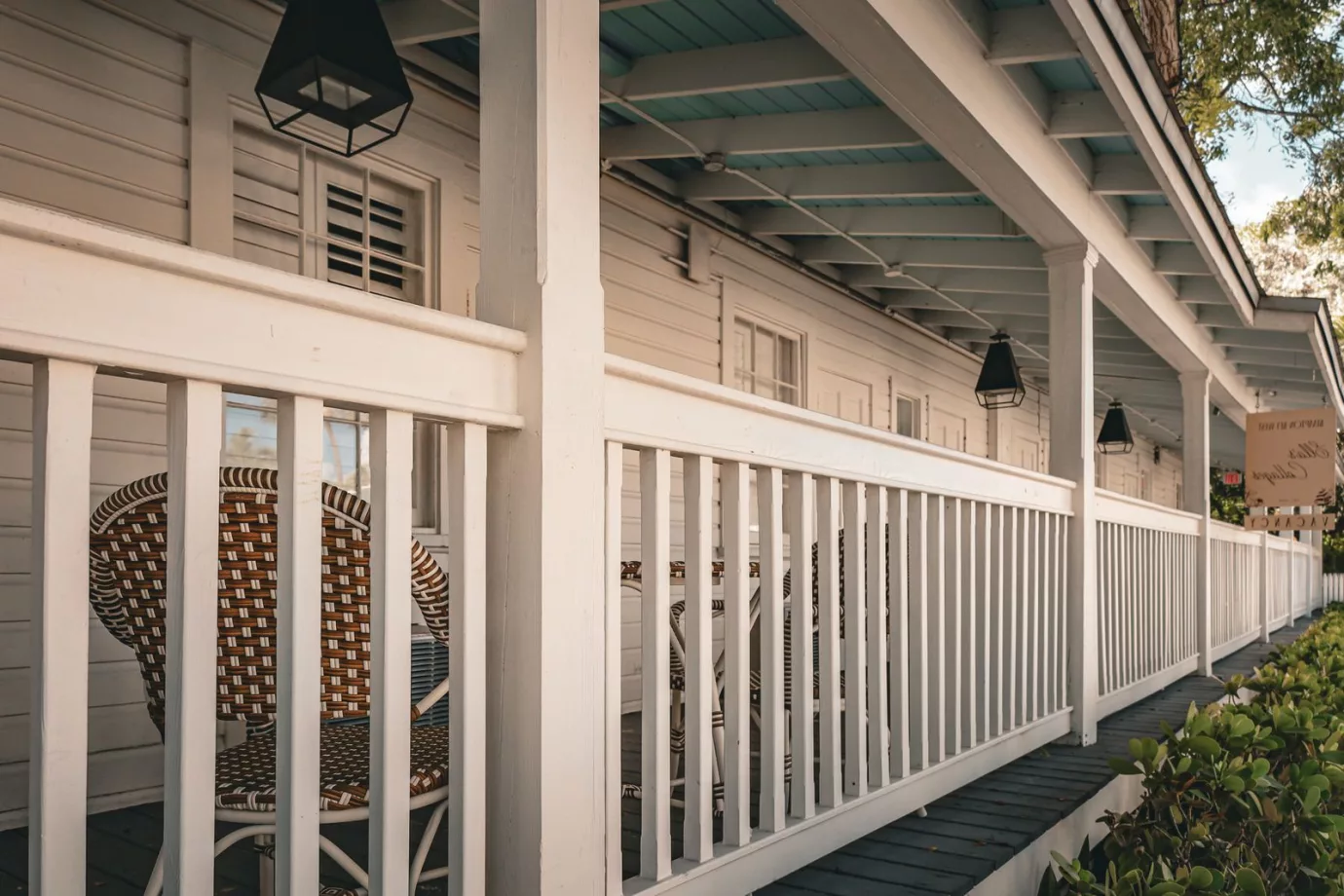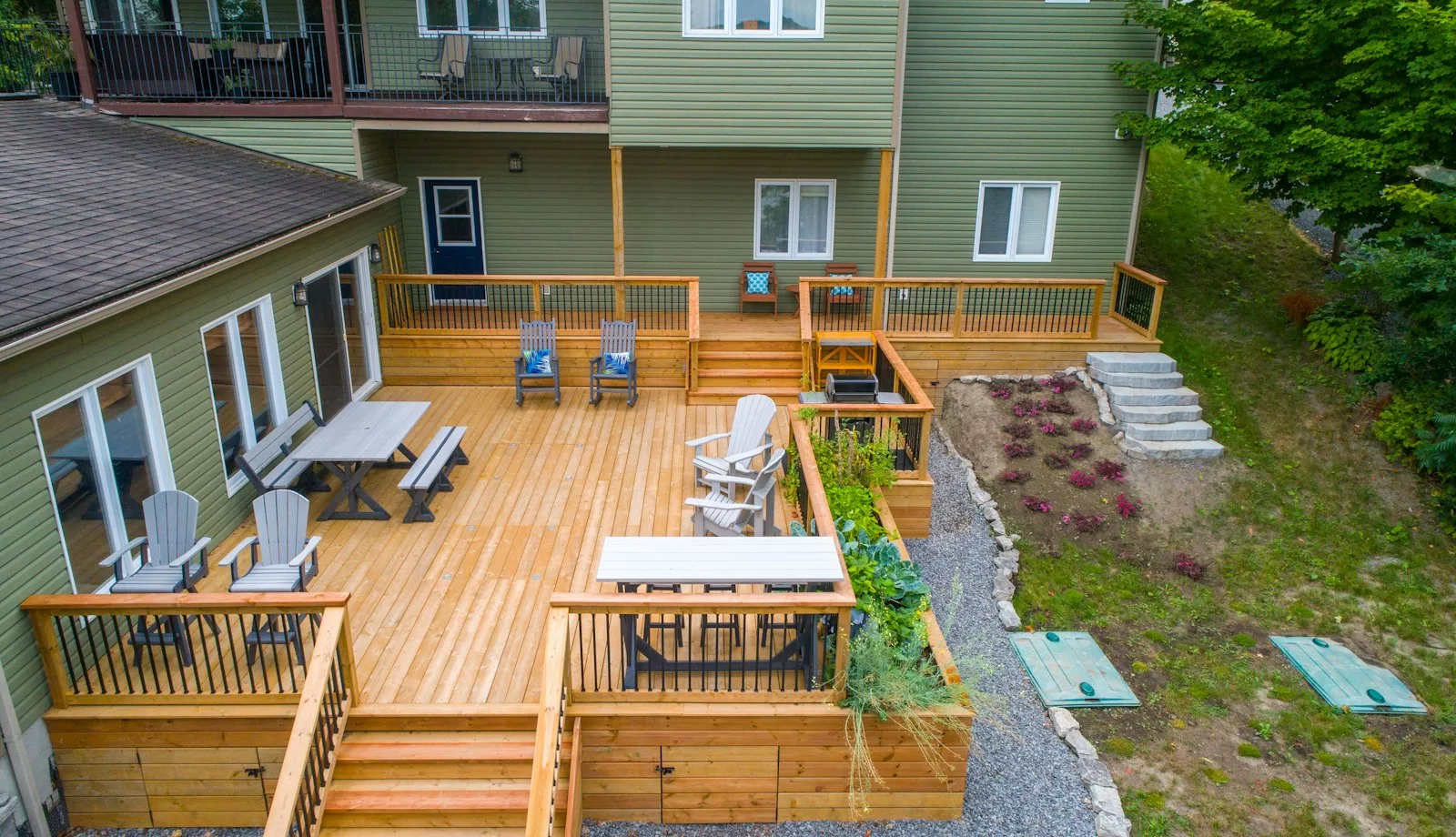
Part of New Deck Construction
- Real wood look and feel
- Easiest deck to modify later
- Stain any color you like
- Same frost footings as composite
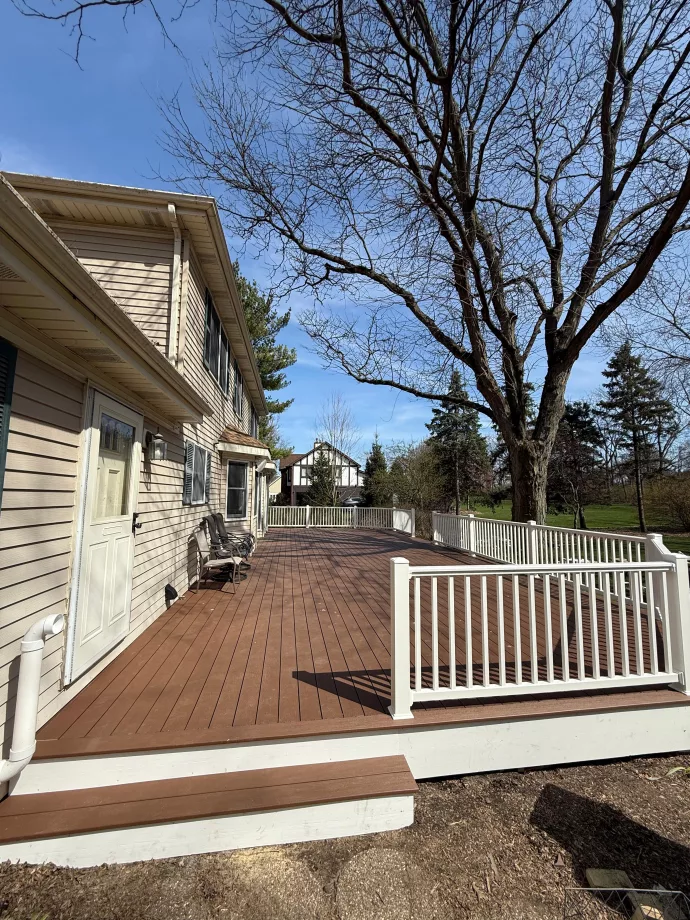
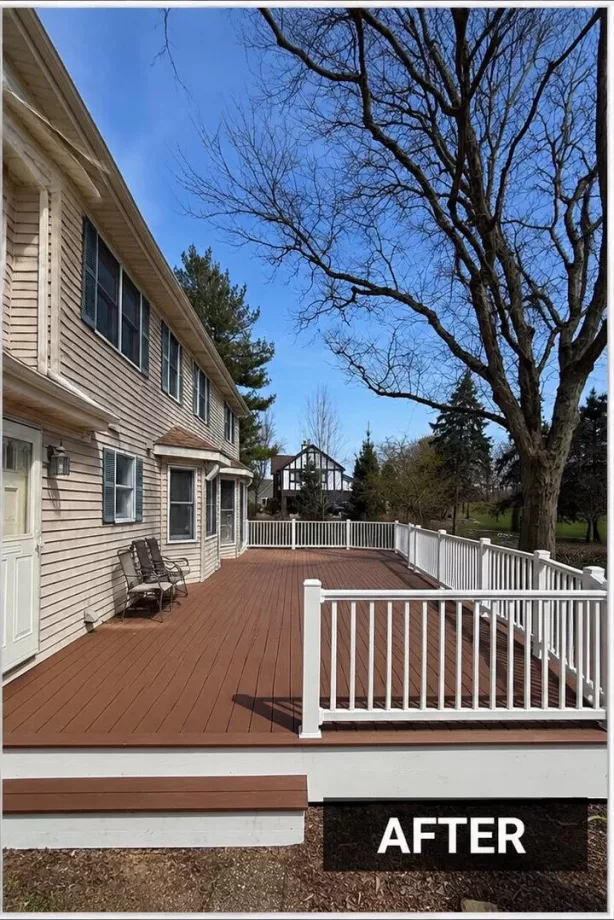
There is still nothing that looks or feels quite like a real wood deck, and it remains the lowest first cost of any deck we build. Osnova Construction builds pressure-treated, cedar and hardwood decks across Glendale Heights, Wheaton, Elmhurst, St. Charles and the rest of the western suburbs, and we build them so the first winter does not undo the work.
The free consultation includes cedar and pressure-treated samples side by side, a drawing and an itemized price, and if you want the composite number on the same footprint we bring that too. Request a free estimate.
The honest caveat comes first: a wood deck in northern Illinois needs staining every two to three years, and the boards that take the sun will need replacing before the frame does. Clients who know that and choose wood anyway are rarely disappointed. Clients who wanted a no-maintenance deck should read the composite page before deciding.
Species we build with
- Pressure-treated pine: the workhorse. Every deck frame we build is pressure-treated, and as decking it is the budget choice that still lasts 15 years with care.
- Western red cedar: naturally rot-resistant, light, stable, and the wood most people picture when they say "wood deck". Takes stain beautifully.
- Hardwoods (ipe, mahogany, cumaru): dense enough to sink in water, nearly impossible to scratch, and the longest-lived wood decking there is. Priced accordingly and needs oiling to keep its color.
Building wood so it lasts here
Wood fails at the cuts and the connections, so that is where the attention goes. Every end cut gets sealed before it goes in. Fasteners are stainless or a coated screw rated for treated lumber, never bright nails that rust-streak the boards within a season. The ledger against the house is flashed and bolted through. Joist tops get a strip of flashing tape so water that runs between the boards does not sit on the frame. And the footings, as with every deck we build, go below the 42-inch frost line.
Railing and stairs
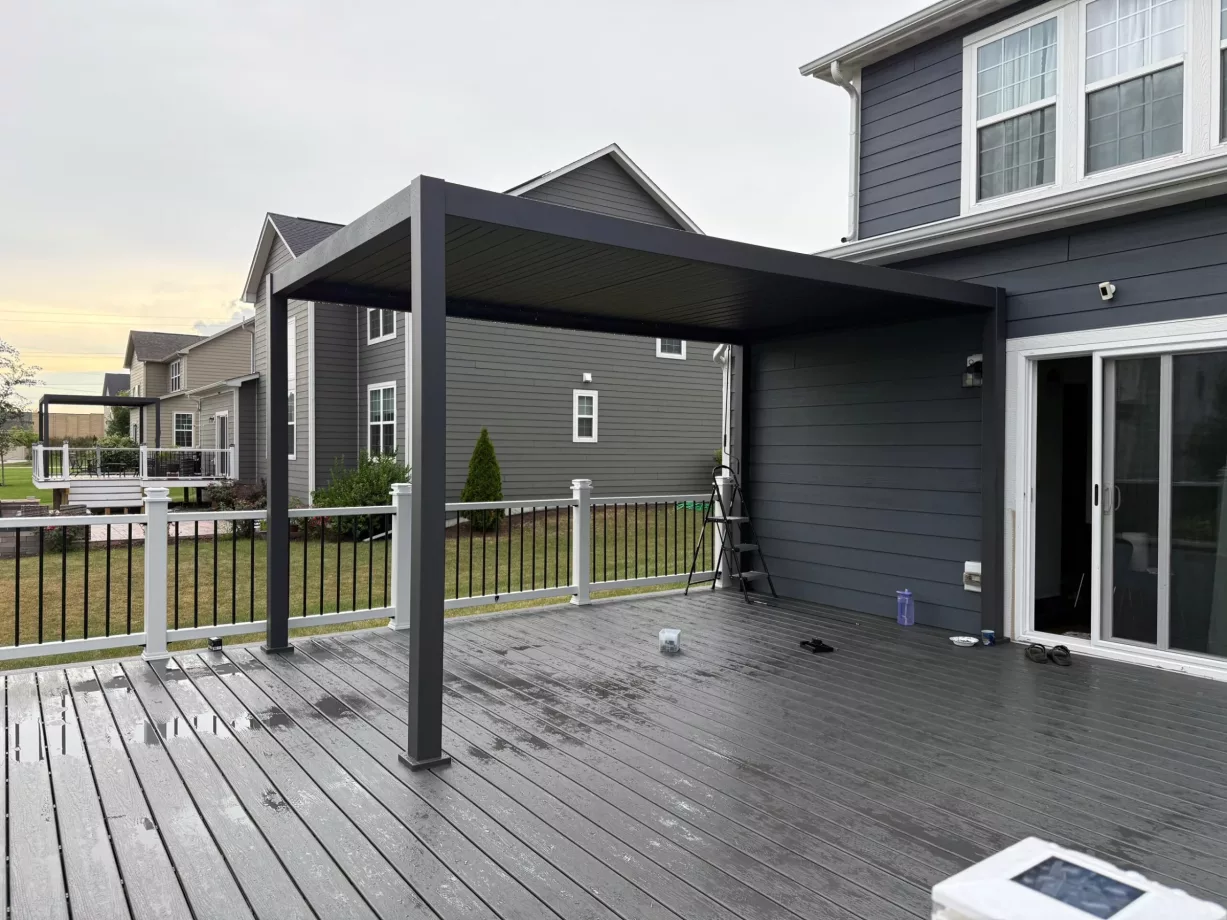
A wood deck usually gets a wood railing, and we build it with the balusters spaced to code and the posts bolted to the frame rather than surface-mounted. If you want the wood look underfoot with a railing you never paint, black aluminum pairs well with cedar. See railings installation.
Timeline
Wood goes down faster than composite: a typical deck is on site about a week to ten days after the permit clears. Staining comes later, once the lumber has dried, and we will tell you when.
Old wood deck past saving? That is a deck replacement. Boards fine but the frame worries you? Start with deck repair & remodeling.
Why a wood deck from Osnova outlasts the one it replaces
- Sealed cuts, stainless fasteners, flashed ledger, taped joists: the four details that decide whether a wood deck lasts eight years or twenty.
- Frost footings at 42 inches, inspected, like every deck we build.
- Licensed, insured, written workmanship warranty.
- A staining schedule in writing at handover, so the deck gets the first coat at the right time.
Want a price on cedar next to composite for the same footprint? Request a free estimate. Or Send us a photo of the yard and we will reply with a first take on species and layout.
- Consultation and species choice
- Drawing and itemized proposal
- Permit and footings
- Frame, decking, railing
- Seal or stain after the wood dries
We are extremely happy with our new deck! The contractor was professional, reliable, and paid great attention to every detail. The quality of the workmanship exceeded our expectations, and the project was completed on time. Communication was excellent throughout the entire process, and the crew was always respectful and kept the work area clean. We highly recommend this contractor to anyone looking for high-quality craftsmanship and outstanding service. Thank you for creating such a beautiful space for our family to enjoy!
View originalComposite (TimberTech, Trex, Fiberon), PVC (capped polymer), and natural wood (pressure-treated, cedar, hardwoods). We'll walk you through the trade-offs honestly - the most expensive option isn't always the right one for your home.
Yes, in virtually every jurisdiction here. We pull the permits and handle inspections as part of every project, so you don't have to.
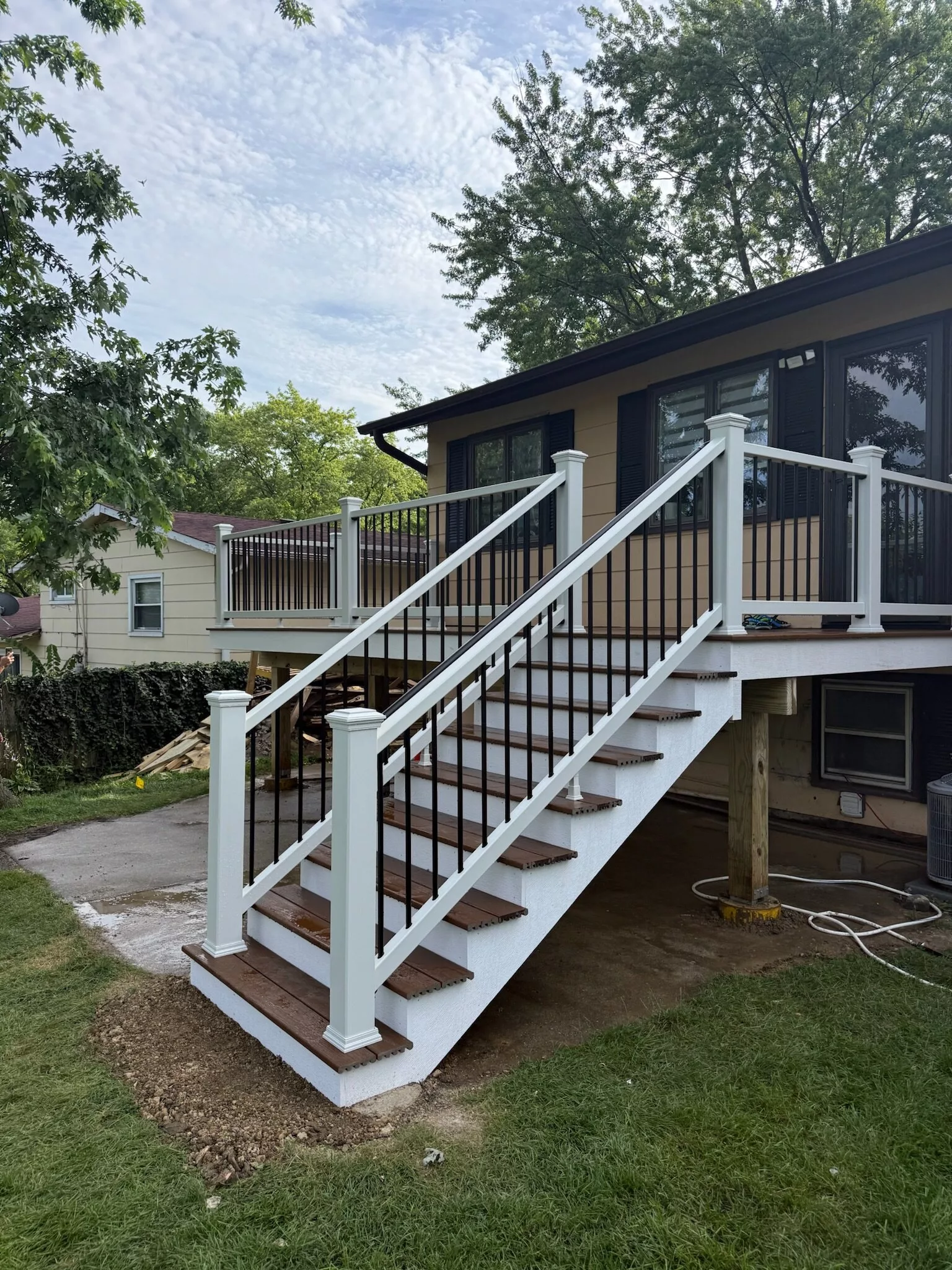
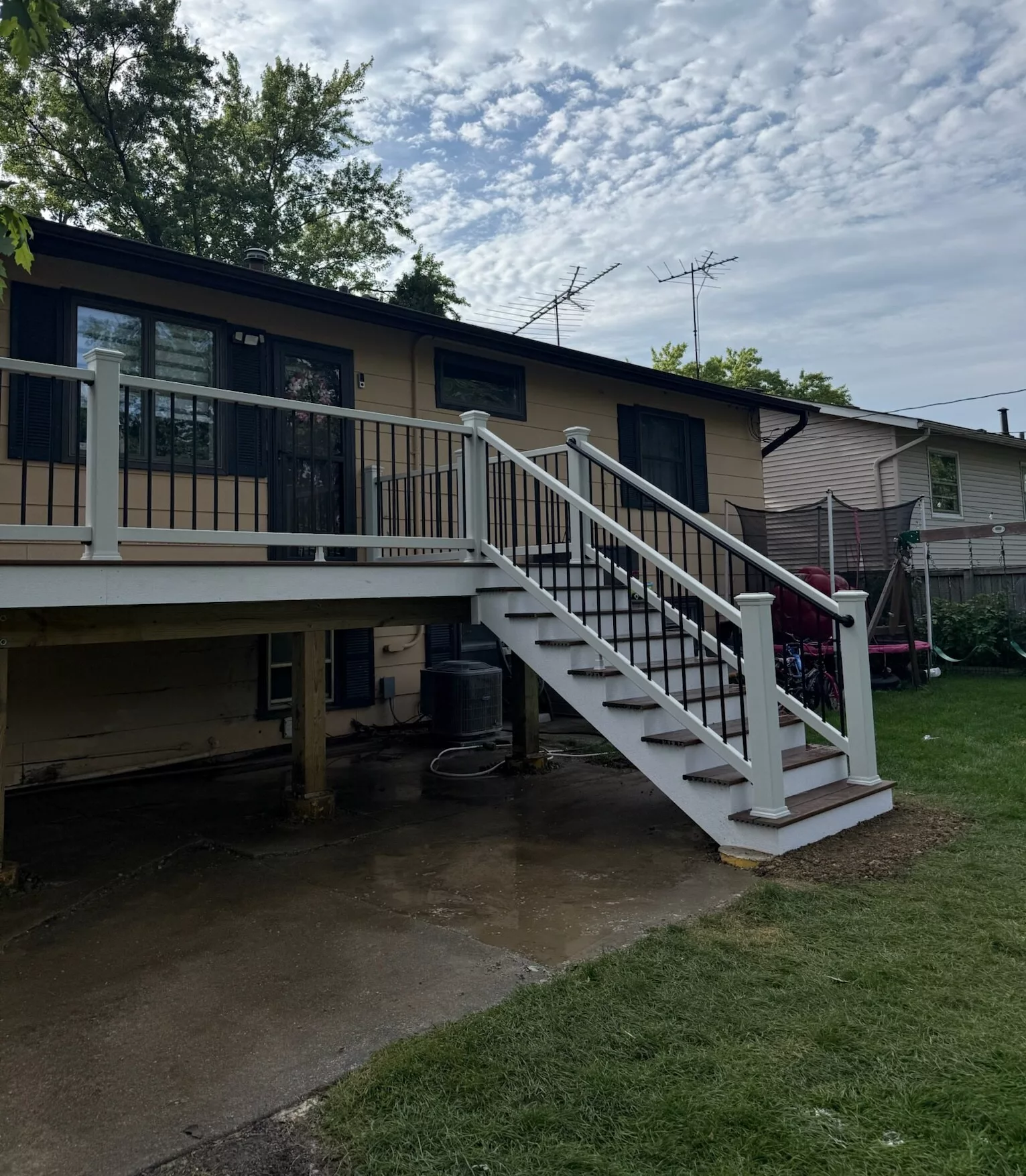
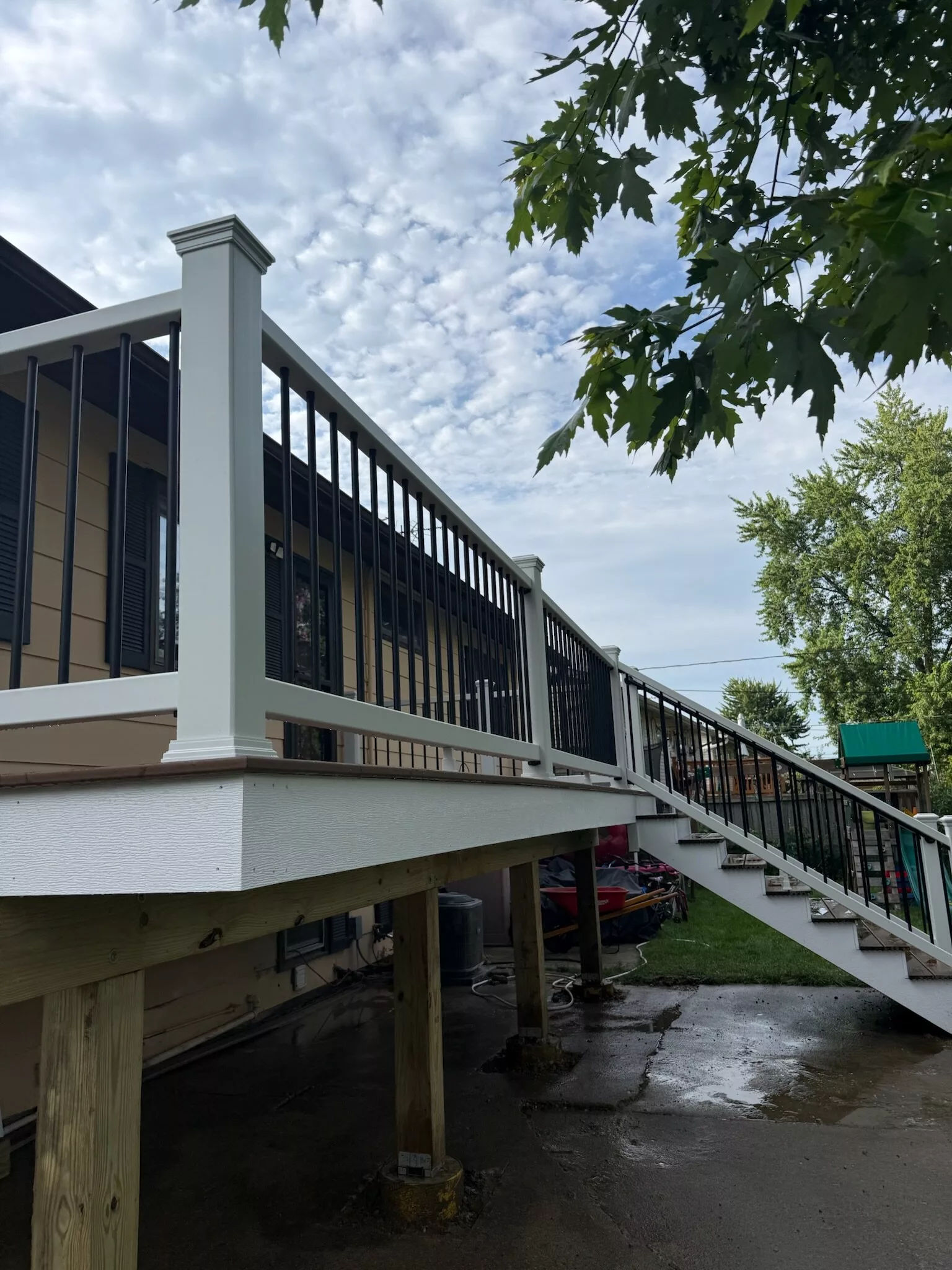
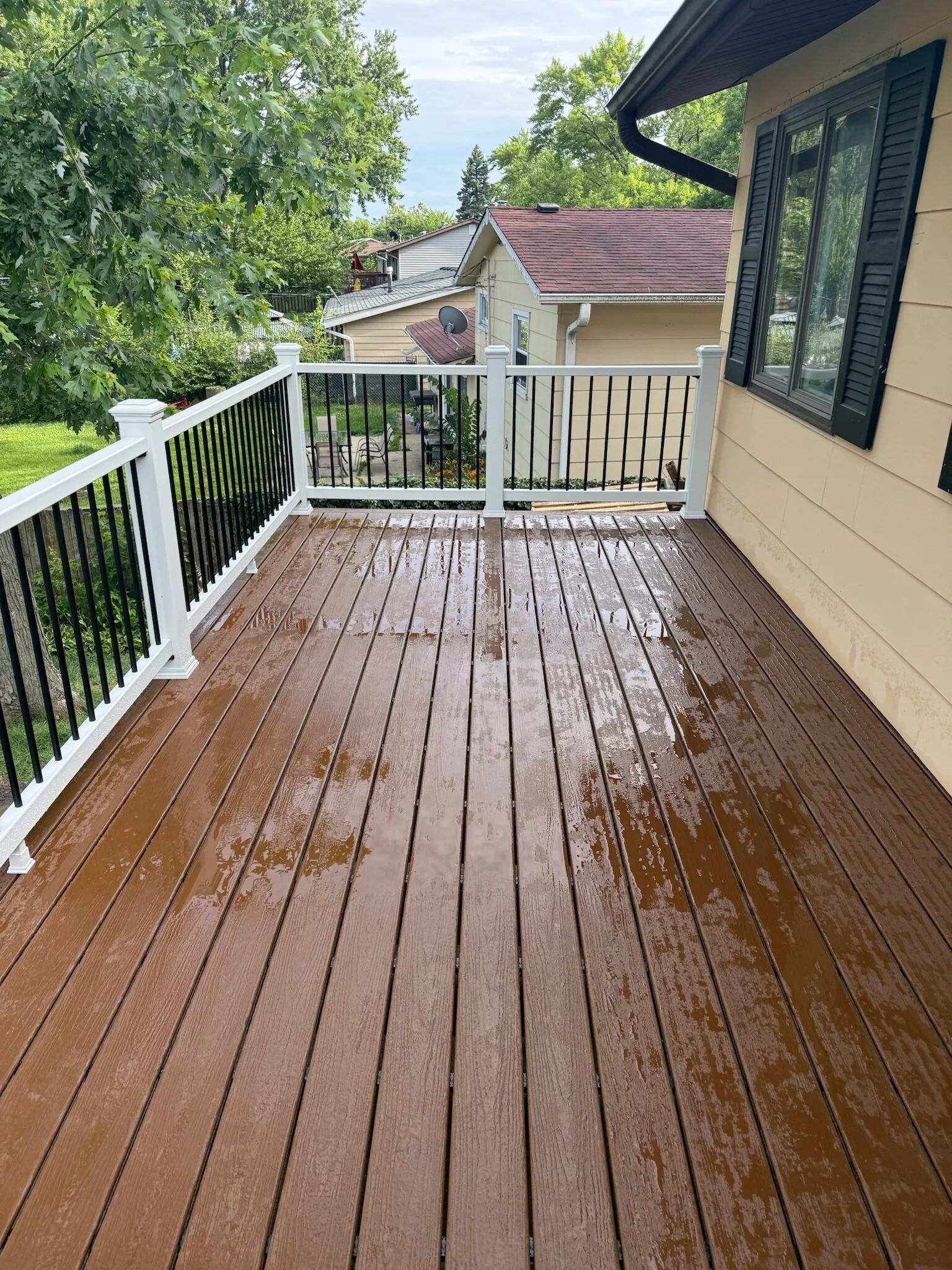
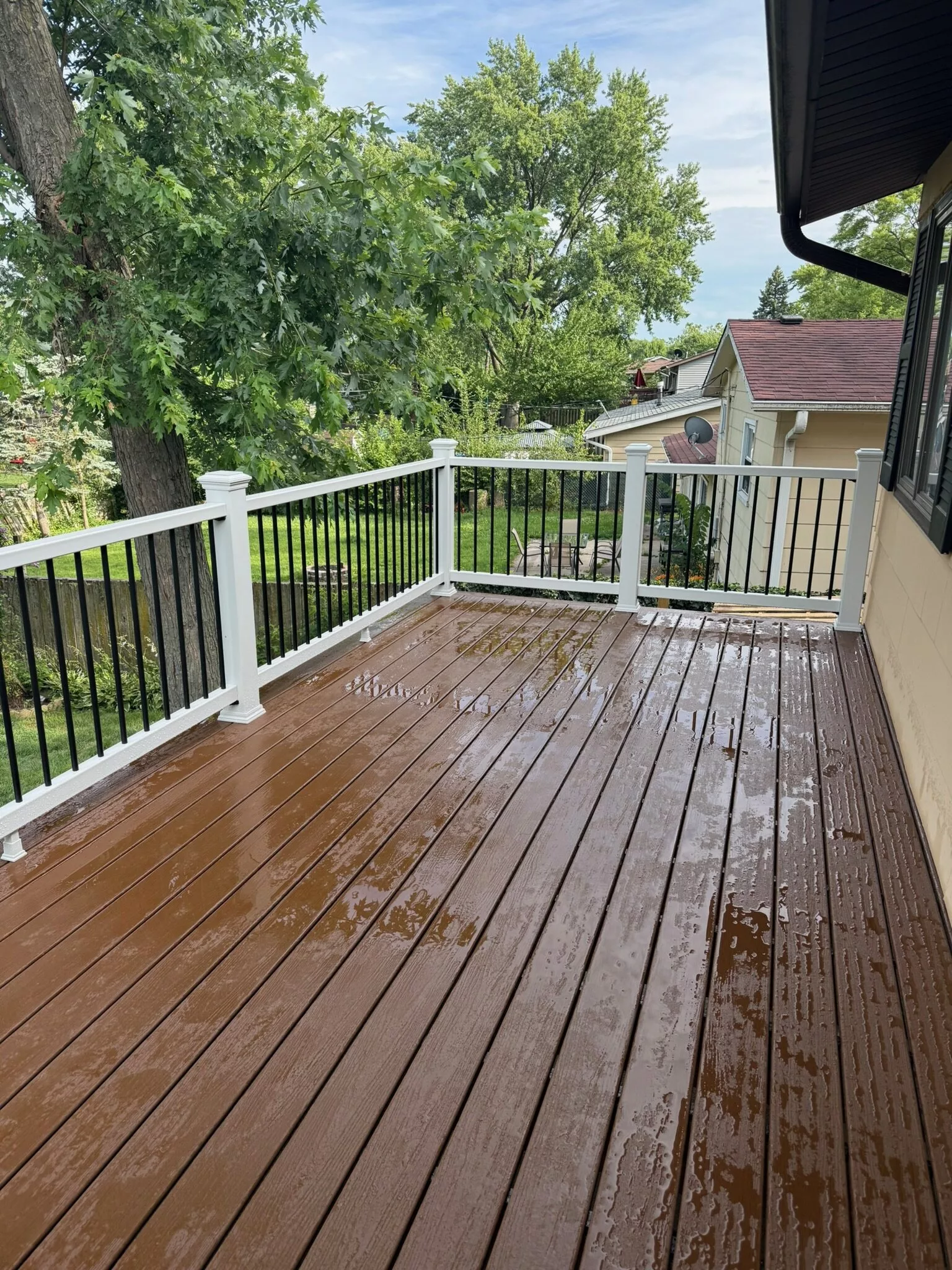
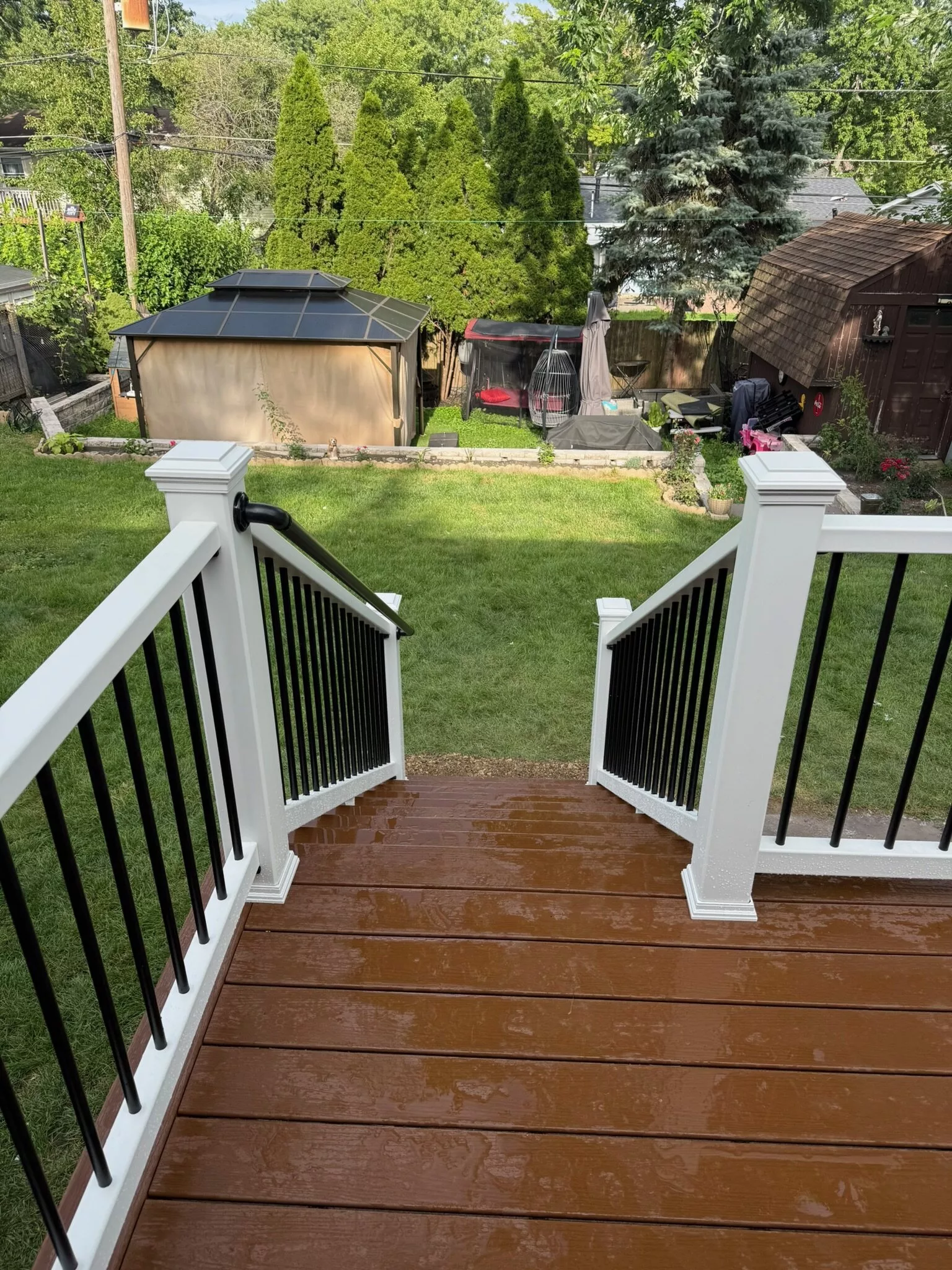
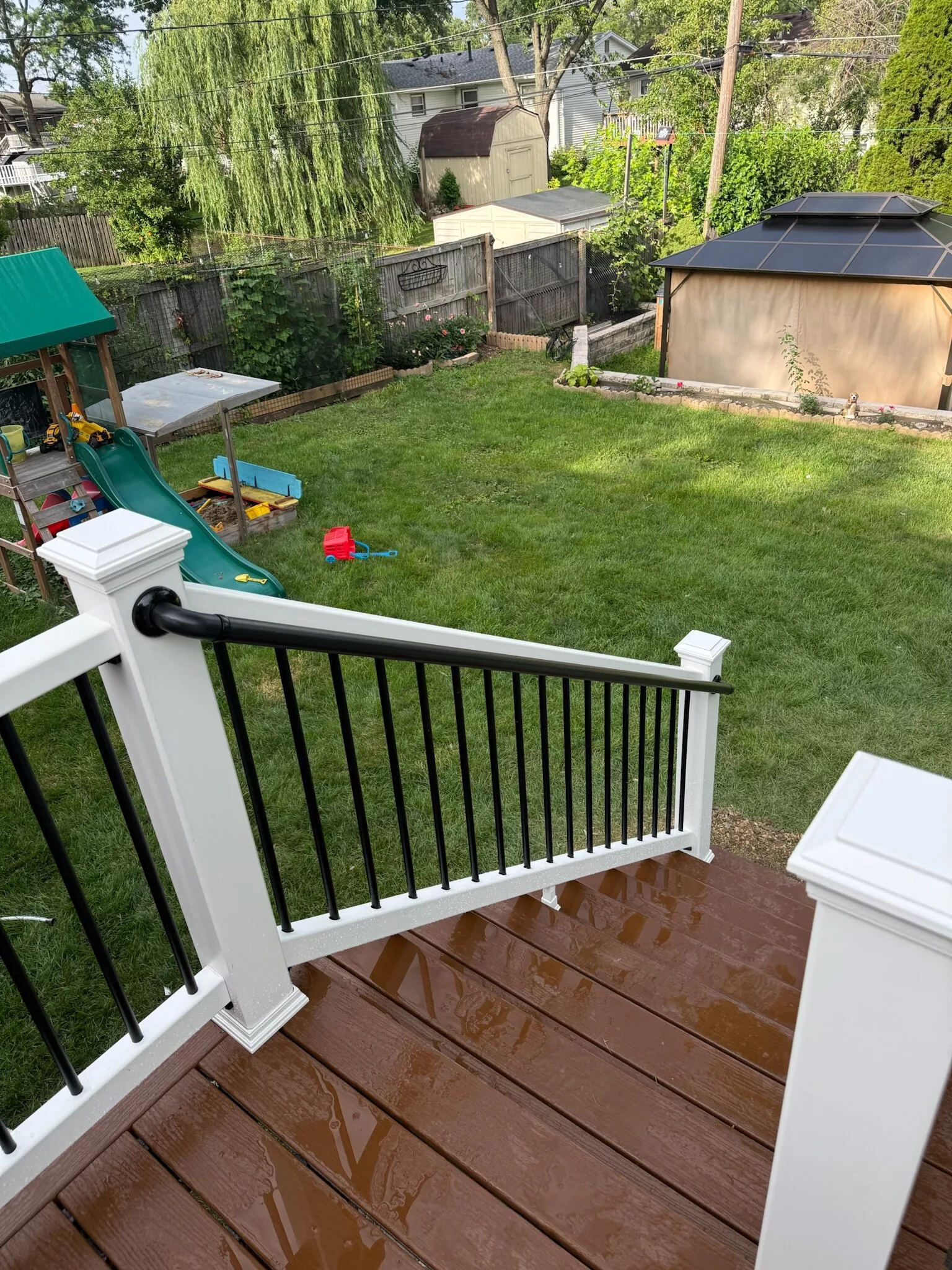
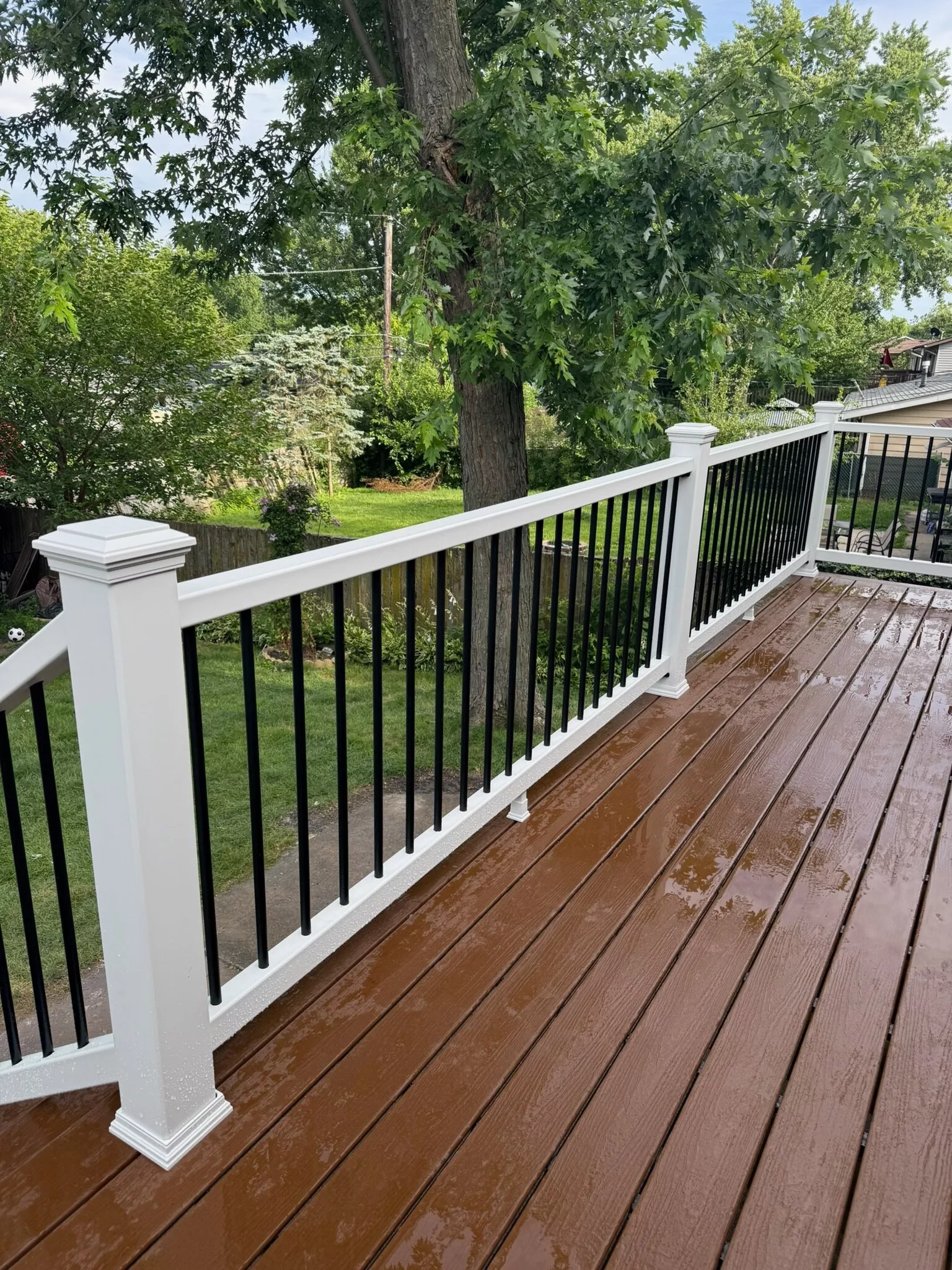
Wood Deck Construction
Completed: July 2026
Hanover Park, Illinois View project Read more about Wood Deck Construction